Drain Cleaning in Locust Street Corridor, Columbia, PA
Drain help for the shops, apartments and homes along Locust Street.
Calls may be recorded for quality and dispatch. Details
- Calls answered 24/7
- Pricing explained before work
- Experienced local pros
- Ask about the pro's workmanship guarantee
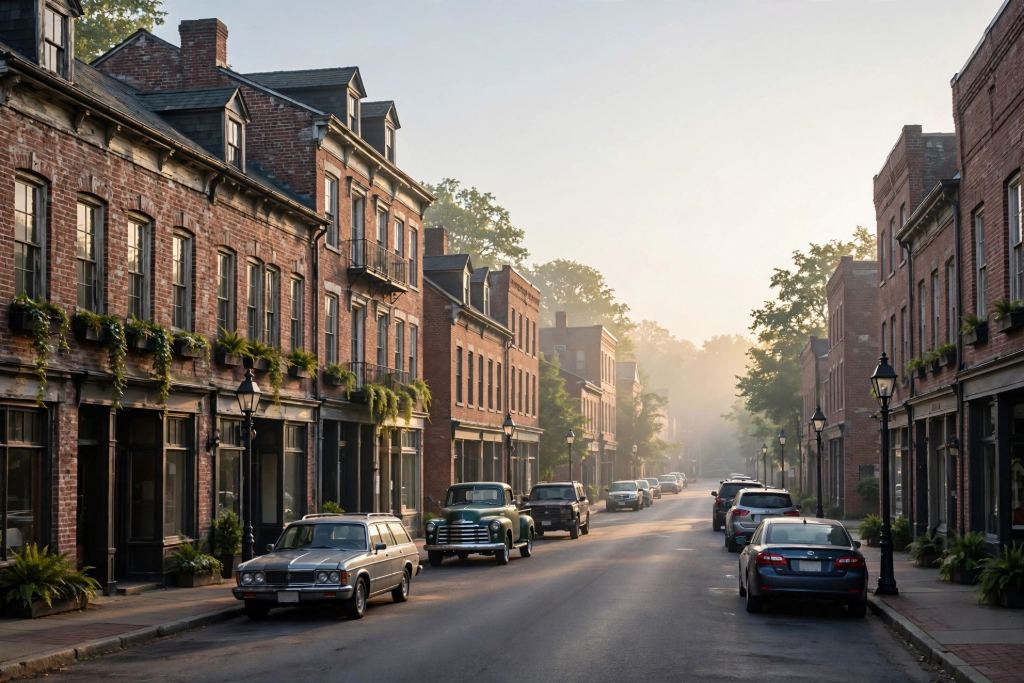
Calls for drain cleaning along the Locust Street Corridor usually come from two kinds of buildings: the older brick homes along the street, and the mixed-use buildings with shops below and apartments above. Both can carry older clay and cast iron lines narrowed by decades of grease, scale, and root intrusion. A sink slow at noon can become a real backup by closing time in a building that serves people all day. We connect you with an experienced local pro who knows the corridor's buildings and clears the line with as little disruption to the day as possible. The line is answered 24/7 at (717) 349-9317.
From your call to clear drains on Locust Street
A visit on the corridor follows four steps. You describe the building and symptoms, a local pro is dispatched, and nothing starts until you approve the upfront pricing. While you wait, stop using the affected fixtures and keep customers and tenants clear of any backed-up water.
- CallCall Columbia Drain Cleaning Co. at (717) 349-9317 any time. The line is answered 24/7, and same-day and emergency dispatch are available where the schedule allows.
- A few questionsThe building type, which fixtures are affected, when trouble started, and whether it follows a daily pattern.
- A local pro is dispatchedWe connect you with an experienced local pro who knows the corridor's mixed buildings and works around your day.
- Upfront pricing, then workThe pro explains the findings, lays out the options with upfront pricing, and begins only with your approval.
Homes, shops and apartments on one line
Along the corridor, brick storefronts stand beside brick homes, and some buildings carry apartments above. Behind many shopfronts the layout is familiar: basements below, kitchens to the rear, bathrooms stacked above.
What sets the corridor apart is how the buildings are used. A shop or food business pushes far more water and grease through its lines by day than a household does, and apartments above add morning and evening peaks on the same stack. Lines that were sized for a different era now serve more fixtures, more often. Horizontal runs in basements and low crawl spaces give grease and debris long, flat stretches to settle in.
Plumbing access here takes local knowledge. Cleanouts hide behind shop storage, under stairwells, or in shared basements serving more than one unit. Laterals of clay and cast iron run to the street the same way they do elsewhere in the borough, and mature trees along the street find the same old joints. Here, commercial and residential use often share the same aging pipes.
Converted spaces add one more wrinkle. A building that began as a home and became a shop, or a shop split into apartments, often carries plumbing extended piecemeal over the decades. The pro who knows the corridor plans the visit around what the building is, not what it was.
Drain Cleaning on the Locust Street Corridor: Grease, Volume and Shared Stacks
Grease leads the list on the corridor. Food businesses and busy household kitchens coat branch lines a little more with every wash, and the long horizontal runs in these buildings give that coating room to harden. It is the most common reason food businesses call. Apartment bathrooms add hair and soap scum at a faster pace than a single-family home, especially where units turn over.
Below the building, the story matches the borough: clay laterals with root intrusion at joints and cast iron roughening with age. A common pattern is a building that drains fine overnight and slows every afternoon. That rhythm means restriction, not a full blockage, and clearing the full run past the trap is what restores it.
Shared stacks create the corridor's signature symptom. One low blockage can back water into the lowest unit first, then push trouble upward as pressure builds. The typical corridor call involves more than one space: a shop sink and the apartment tub above it, or two neighboring units slowing together.
- Drains that slow every afternoon and recover overnight
- More than one unit or fixture affected at once
- Grease-heavy kitchen lines that keep narrowing
- Gurgling in an upstairs bathroom when a lower fixture drains
Drain Cleaning on the Locust Street Corridor: How the Technician Starts
The pro we connect you with starts by learning what the building is: a home, a shop, apartments above a storefront, or some mix of those. Which fixtures are affected, and whether trouble strikes in busy hours or quiet nights, tells the technician whether the restriction is grease-driven, root-driven, or both. Access comes next, and on the corridor that means finding the cleanout behind storage or in a shared basement.
For repeat trouble, a drain camera inspection earns its keep here, showing where grease has narrowed a long horizontal run or where roots have entered the lateral. Hydro jetting often suits grease-lined pipe, scouring walls in a way cabling cannot, but the technician checks the pipe's condition first since jetting does not suit every older line. You hear the options and the upfront pricing before any work begins.
A collapsed or badly broken section on camera means a referral to a line-replacement contractor, since excavation sits outside this service.
Related services for corridor buildings
A slow tub, shower, or sink anywhere in the building points to bathroom drain cleaning, while several fixtures backing up together usually calls for main drain line cleaning. Grease-narrowed lines often answer best to hydro jetting, which scours pipe walls clean. For the surrounding blocks, read about drain cleaning near the riverfront, or start from the overview of drain cleaning in Columbia, PA.
Drain cleaning questions from Locust Street Corridor
The buildings share the same older pipe, but shops and food businesses put more grease and volume through their lines during the day. Longer horizontal runs in mixed buildings give build-up more places to settle. Describe the building type when you call so the dispatched pro brings the right approach.
Daytime use pushes grease and food solids into a line that may already be narrowed by years of build-up. Flow fading in busy hours and recovering overnight means restriction, not a full blockage. Clearing the full run past the trap is what restores normal drainage.
Many corridor buildings are older, so clay and cast iron lines with root intrusion are common. The difference is the mix of uses, as apartments above shops and converted spaces load old lines in unusual ways. Repeat clogs here are worth a camera check.
Gurgling means air is being pulled through a trap because the drain line is restricted downstream of it. In older mixed buildings the line may carry more fixtures than it was built for. The technician checks whether the restriction sits in the branch or further down toward the main.
Yes, because the units usually share a vertical stack and a common building drain. A low blockage sends water to the lowest fixture first, but pressure can push trouble upward too. When more than one unit is affected, the problem is usually in the main line.
Run water in another fixture on the same floor and watch how it drains. If only one fixture is slow, the clog is local to that branch. If several fixtures slow or back up together, stop using water and call; the problem is further down the line.
If only one fixture is affected and everything else drains normally, limited use of the others is usually fine. Stop using water anywhere in the building if more than one fixture backs up or a low drain rises. When in doubt, stop and call, since added water only feeds a backup.
Say which fixtures are affected, when the trouble started, and whether the space is a home, an apartment, or a business. Mention any cleanout you know of and whether the problem comes and goes. Those details match you with a pro who arrives prepared.
Get your Locust Street drains flowing again
If a drain is slowing down along the corridor, call Columbia Drain Cleaning Co. for drain cleaning on the Locust Street Corridor, whether the space is a shop, an apartment or a home. The line is staffed around the clock.